

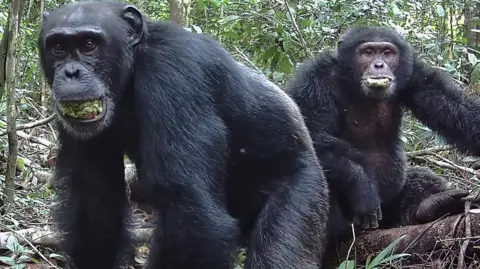
Wild chimpanzees were discovered to take in the equivalent of a bottle of lager's alcohol daily from eating overripe produce, as stated by researchers.
Experts suggest this supports the idea that humans may have developed a preference for alcohol from mutual primate predecessors who depended on overripe produce – a source of sugars and ethanol – for food.
"People's fondness to ethanol may have stemmed from such nutritional ancestry of the shared predecessor with chimpanzees," commented the lead study researcher.
Chimpanzees, like many other species, have been observed feeding on overripe produce resting upon the jungle ground, but this is the pioneering study to precisely measure how much alcohol they might be ingesting.
Study Approach
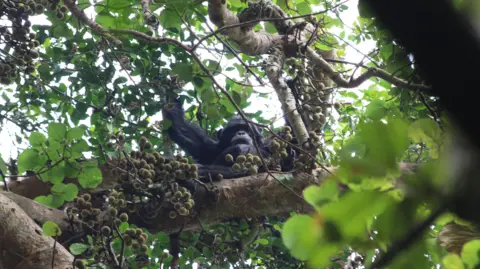
Scientists quantified the amount of pure alcohol in fruits for example certain fruits eaten in large quantities by primates in regions within West Africa.
According to the volume of fruit they usually ingest, the apes were consuming approximately 14 grams of ethanol alcohol – equivalent to almost two UK units, or about a single 330ml bottle of lager.
The fruits most frequently ingested were those with the most ethanol levels.
The Drunken Monkey Hypothesis
This study adds weight to the often referred to as "tipsy primate" theory – the belief that the people's craving for booze was acquired from our primate ancestors.
The concept was first proposed in the past by a professor who acts as a team member on this research.
Scientists were originally hesitant. But more observations of "fruit-eating primates" have come to light in the past few years, as mentioned by a primatologist who did not participate with the investigators.
"The insight we gain from such research is that human interaction with ethanol goes deep back into ancient history, likely about 30 million years," she said.
"Maybe for apes, this is a great way to create social bonds, to socialize on the forest bottom, consuming fermented items."
Notable Limitations
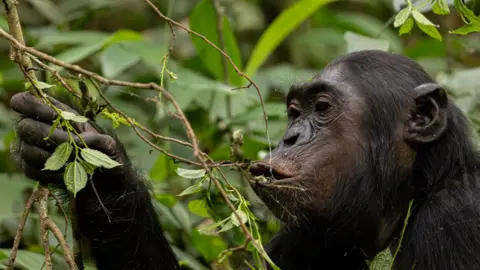
Researchers crucial to emphasize that the apes in the research were not taking in a high enough dose to feel the effects. Had they reached that level, "this would clearly not improve their ability to survive," stated a different scientist.
These apes are at present threatened, and the primary dangers they encounter include destruction of their forest homes to farming, timber harvesting and urban expansion.
The paper is available in a research publication.


