


During the celebrations of Onam, a 45-year-old female resident lay shivering in an ambulance compartment, slipping into unconsciousness as loved ones rushed her to a healthcare facility.
Just days before, the woman, who worked packaging fruit juices in a rural area near Malappuram, had experienced nothing more concerning than lightheadedness and high blood pressure. Medical professionals provided drugs and sent her home. But her state worsened with terrifying speed: discomfort became fever, high temperature to severe tremors, and on 5 September, she passed away.
The pathogen was Naegleria fowleri – commonly known as the fatal microbe – a condition commonly ingested during water contact in freshwater and so infrequent that many physicians never encounter a case in their entire careers.
In Kerala this year, over 70 individuals tested positive and nineteen have died from the brain-eating amoeba. Individuals varied from an infant to a 92-year-old man.
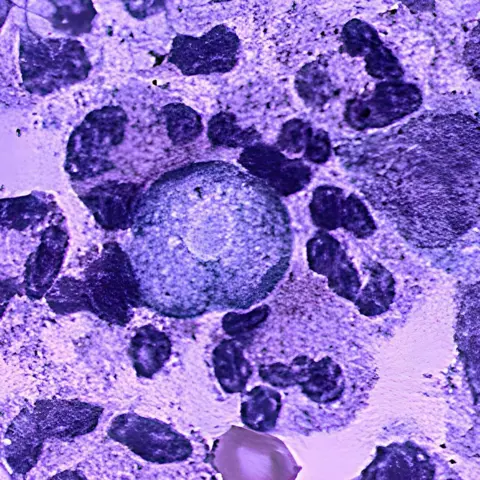
Usually consuming bacteria in heated natural water, this single-cell organism triggers a near-fatal brain infection, called primary amoebic meningoencephalitis (PAM). It invades through the nose when bathing and swiftly attacks the cerebrum.
This region started identifying instances in recent years, a handful a year, and until recently almost every case were deadly. A recent study has shown that merely 488 occurrences have been reported worldwide since the mid-20th century – largely in the United States, South Asia and Oceania. And 95% of the patients have succumbed from the disease.
But in Kerala, recovery appears to be enhancing: last year there were thirty-nine cases with a twenty-three percent mortality, and in the present period, nearly 70 cases have been identified with around one-quarter mortality. Medical experts state the uptick in cases indicates advanced testing, due to modern facilities.
"Instances are growing but fatalities are decreasing. Aggressive testing and early diagnosis have boosted survival – a strategy distinctive in Kerala," noted a leading medical professional.
Prompt diagnosis allows personalized care: a multi-drug regimen of amoebicidal drugs and anti-inflammatories fighting the pathogen can save lives.
Researchers have found about 400 types of naturally occurring amoebas, but only a few are recognized to infect humans in people – such as Naegleria fowleri and Acanthamoeba, both of which can invade the brain. Locally, public health laboratories can now identify the multiple key pathogenic types, experts confirm.

The southern state's significant dependence on natural sources and natural water bodies causes it to be highly susceptible, especially as numerous water sources are contaminated. A group of infections last year, for instance, was linked to individuals vaping an mixture combined with non-potable water – an unsafe activity that emphasizes how contaminated water can serve as a route for disease.
Kerala has about millions of borewells and 55,000 water bodies – and many residents draw their daily water from these sources alone. That pervasiveness prevents authorities to disinfect water sources as simple "dangers" – they are the foundation of living in the state.
"Instances have occurred in people immersing in water bodies, some from chlorinated pools, and also through ritual cleansing with water which is a custom," says an eminent public health expert.
Therefore health officials have attempted to implement wide measures: in a targeted drive at the recently, a vast number of water sources were treated.

Local governments have placed sign boards at water bodies warning against immersion and used the safety laws to enforce regular chlorination of pools and storage containers. But notwithstanding such steps, ponds cannot realistically be chemically treated – fish would perish – and policing all village water source in a region of above 30 million people is not feasible.
Experts now stress public information rather than bans: households are urged to maintain water containers, use clean heated water for personal hygiene, keep children away from irrigation devices and steer clear of contaminated ponds. Water users are recommended to protect their nasal passages by staying upright, using nose plugs and avoiding agitating debris in stagnant or untreated freshwater.
However, finding equilibrium between educating the public about real risks – of using non-sterile water – and preventing anxiety that could disturb routine activities is complex. Many {


